Empowering Roma Girls
Supporting young girls with mentoring, education, and digital skills to increase their social participation
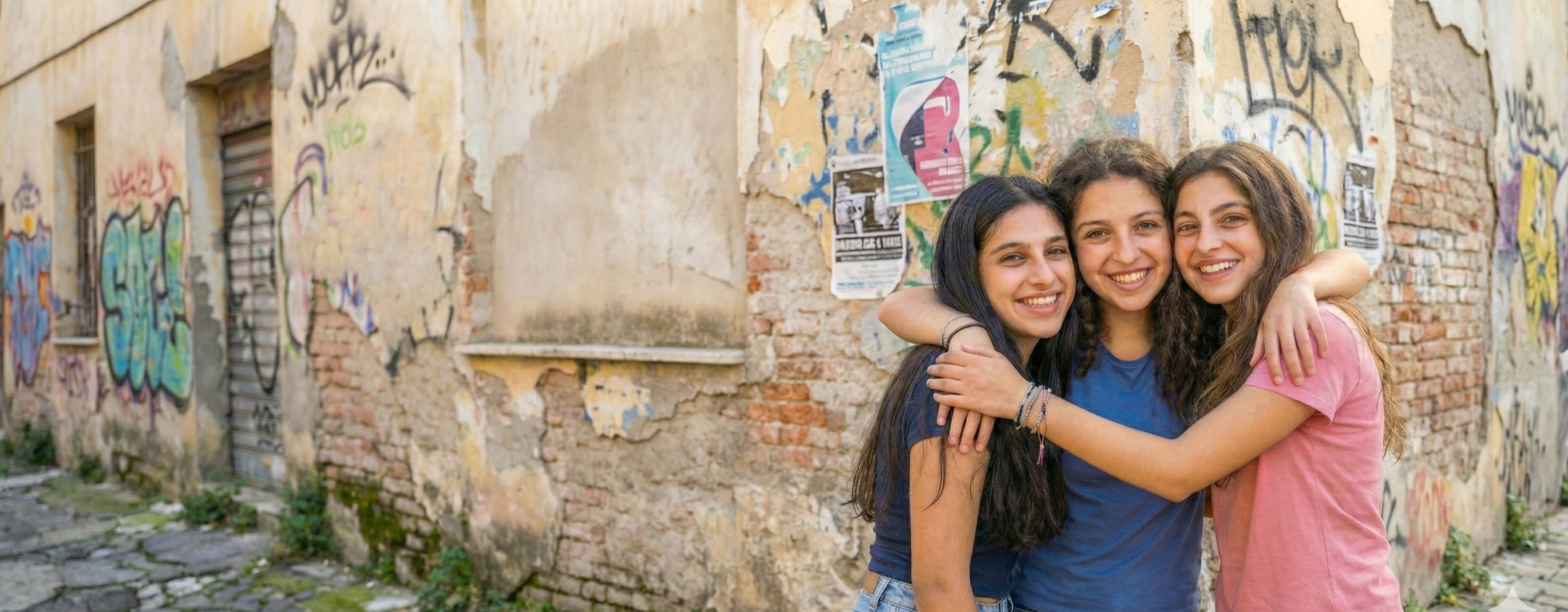
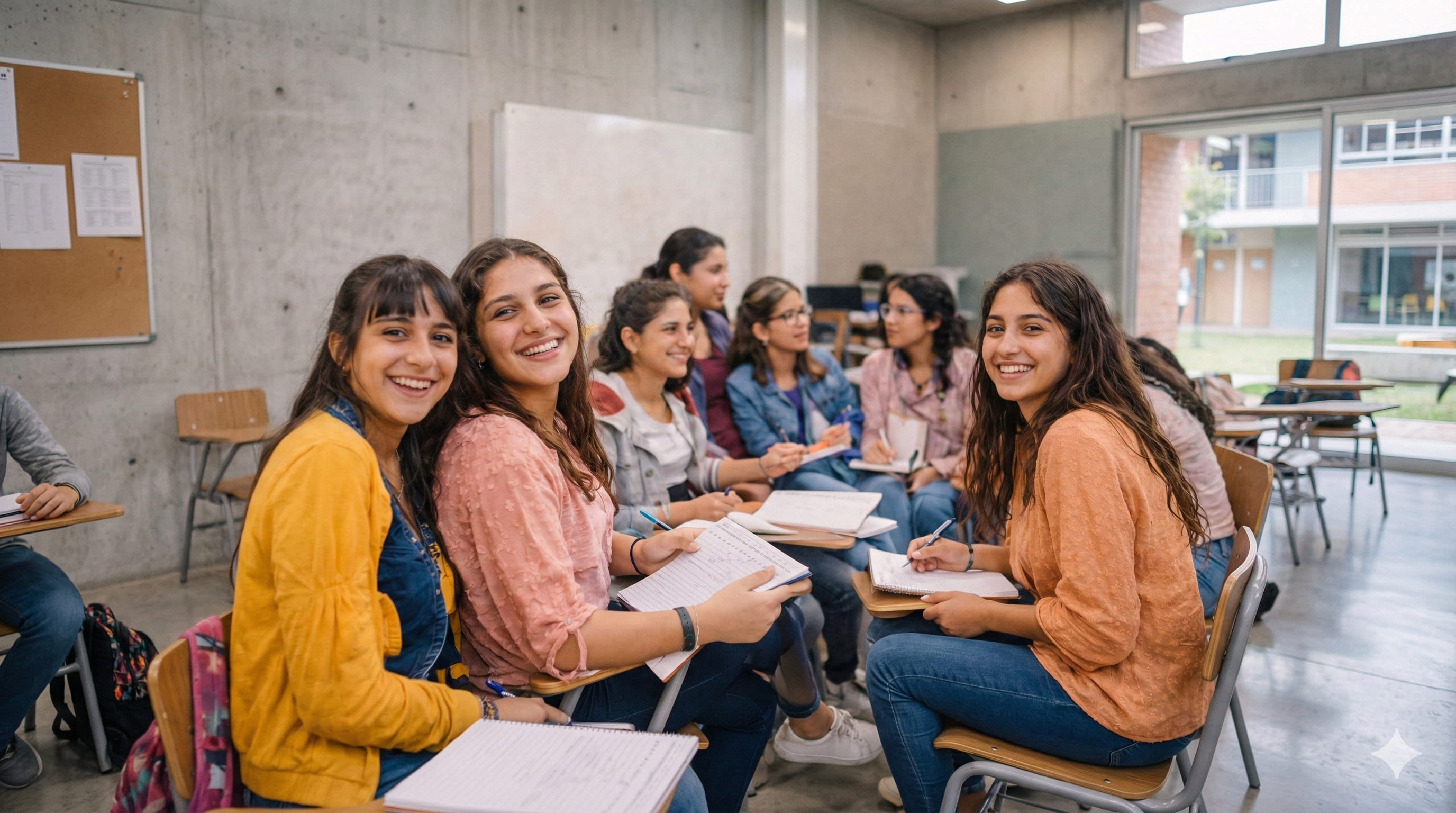
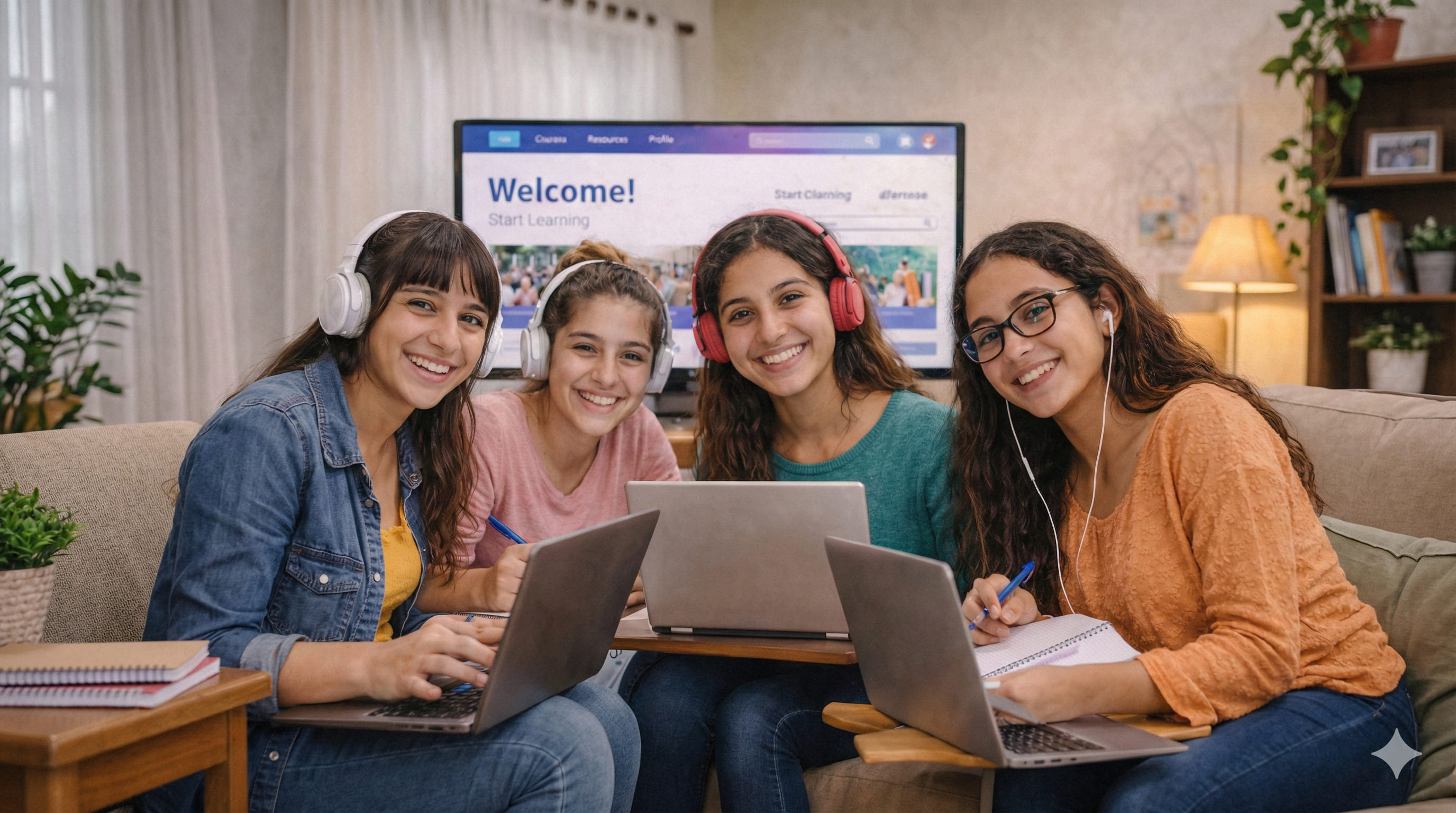

ROMA-GEM (Roma Girls’ Empowerment through Mentorship), is an Erasmus+ cooperation project aiming to empower young Roma girls, one of the most disadvantaged groups in Europe, through inclusive and transformative approaches. The project supports young girls’s active participation in society through education, mentoring, and digital skills development.
The primary target group of the project is young Roma girls aged 14–25. Indirectly, the project also involves youth workers, educators, mentors, and civil society organizations who benefit from the project activities and outputs.
ROMA-GEM focuses on creating inclusive learning environments that foster the personal, social, and professional development of young Roma girls. The project addresses the double disadvantage resulting from both Roma identity and gender, by implementing structured mentoring models and capacity-building activities.
The project is coordinated by Spain (JoveSolides) and is implemented through a transnational partnership involving organizations from Greece (Liofyllo, Energoi Roma), Türkiye (ECO-IN), and Bulgaria (Kauzi).
ROMA-GEM is funded by the European Union under the Erasmus+ Programme, KA220-YOU – Cooperation Partnerships in Youth.
Project No: 2025-1-ES02-KA220-YOU-000357478
Through gamified learning experiences and digital literacy training, it supports the development of both digital and business skills, helping learners build confidence and prepare for future education and career pathways.
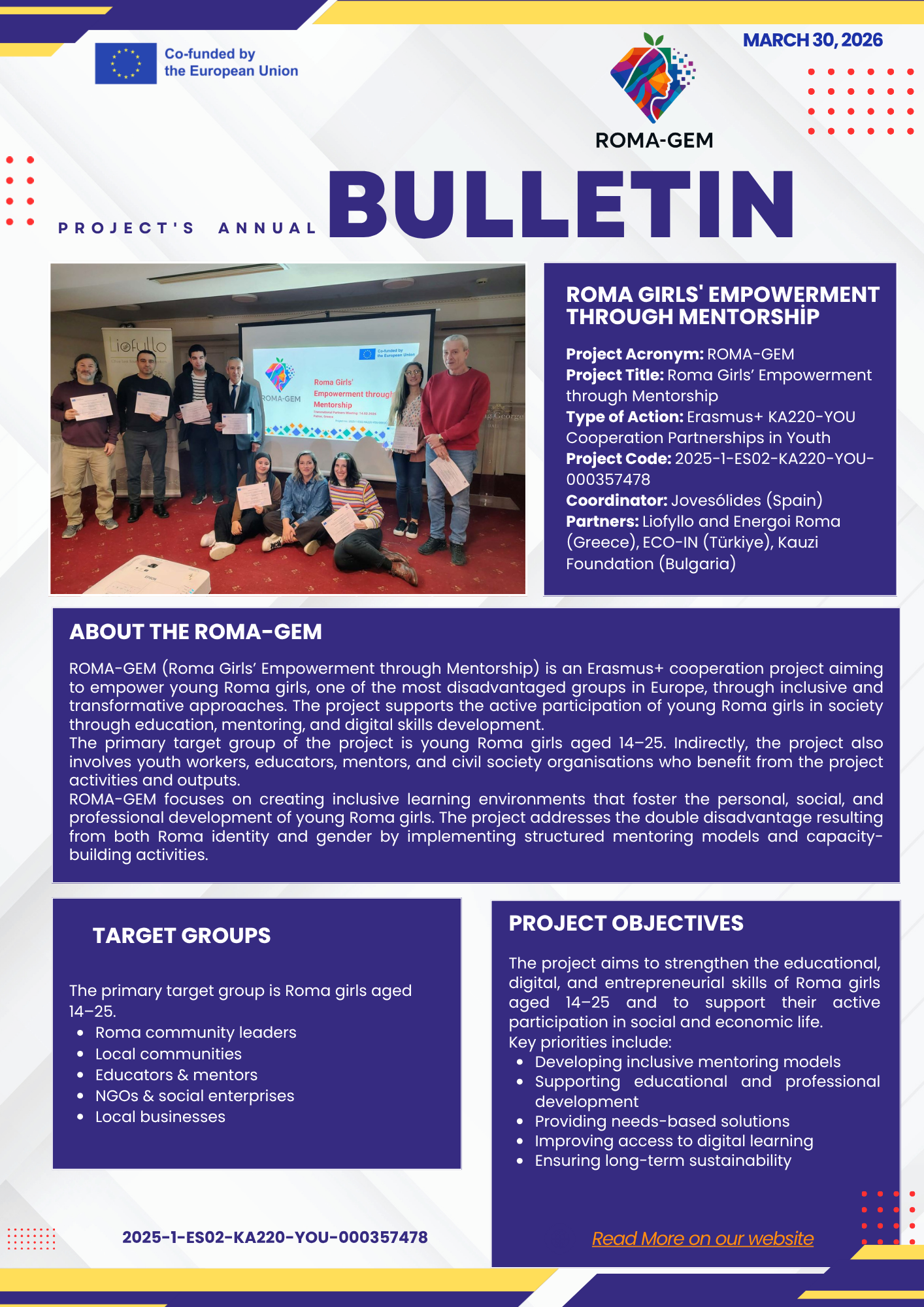
The first annual bulletin of the ROMA-GEM – Roma Girls’ Empowerment through Mentorship project has been published.
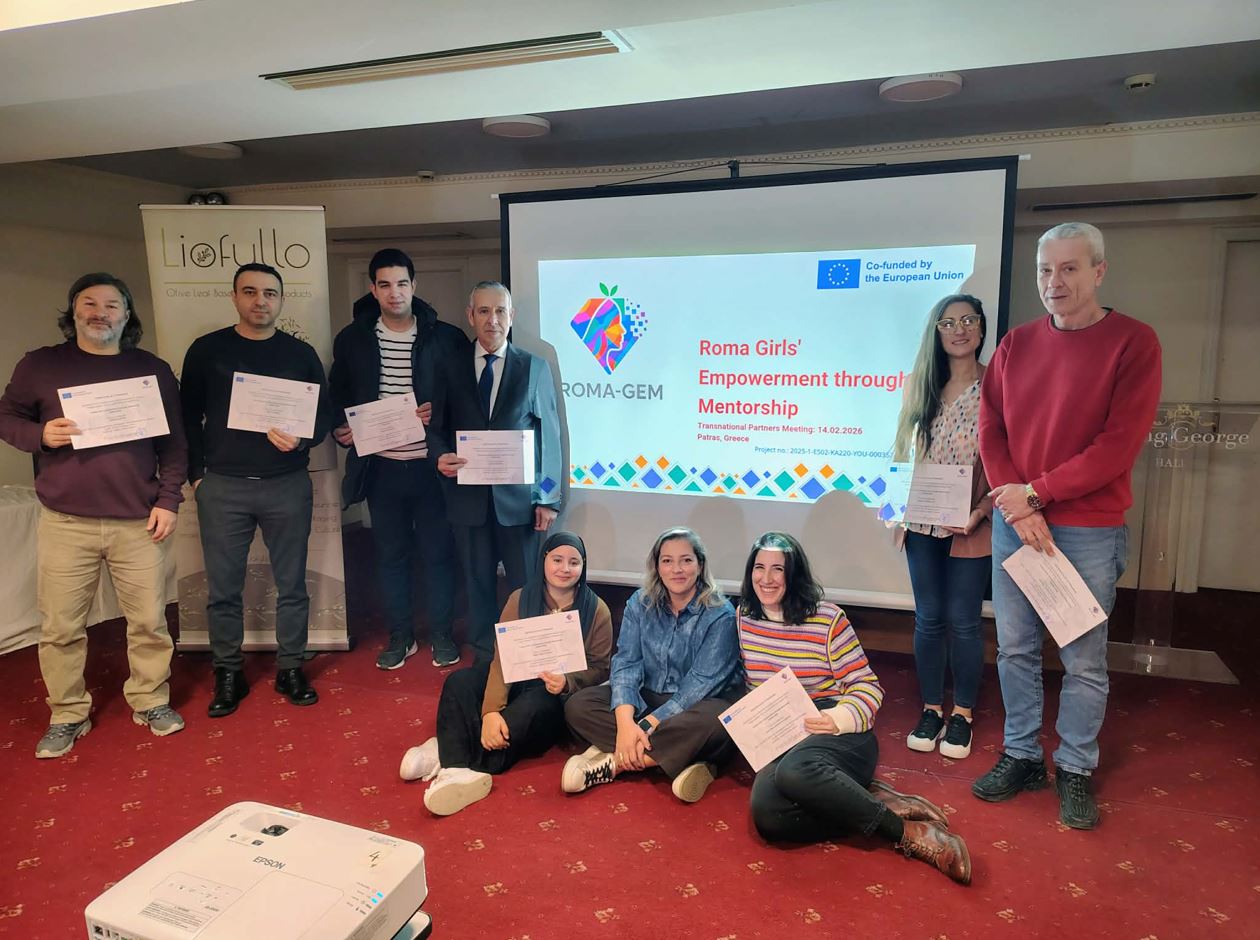
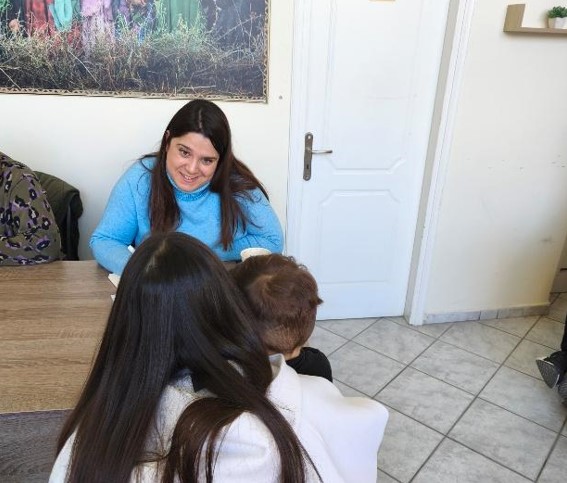
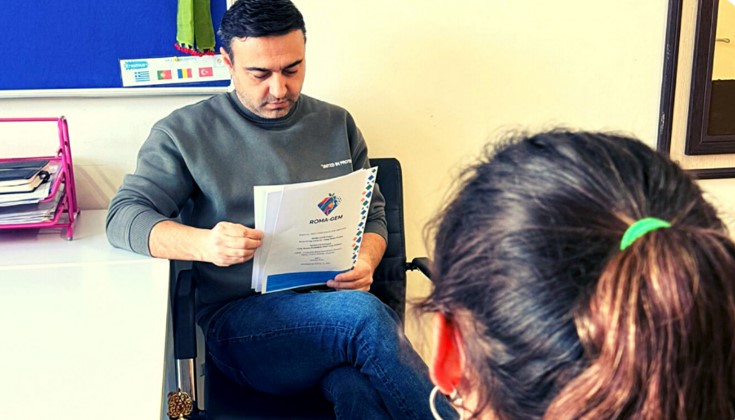
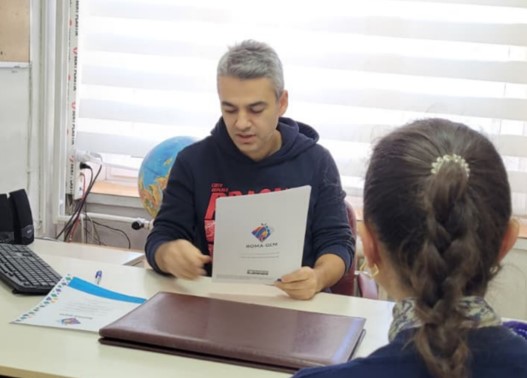
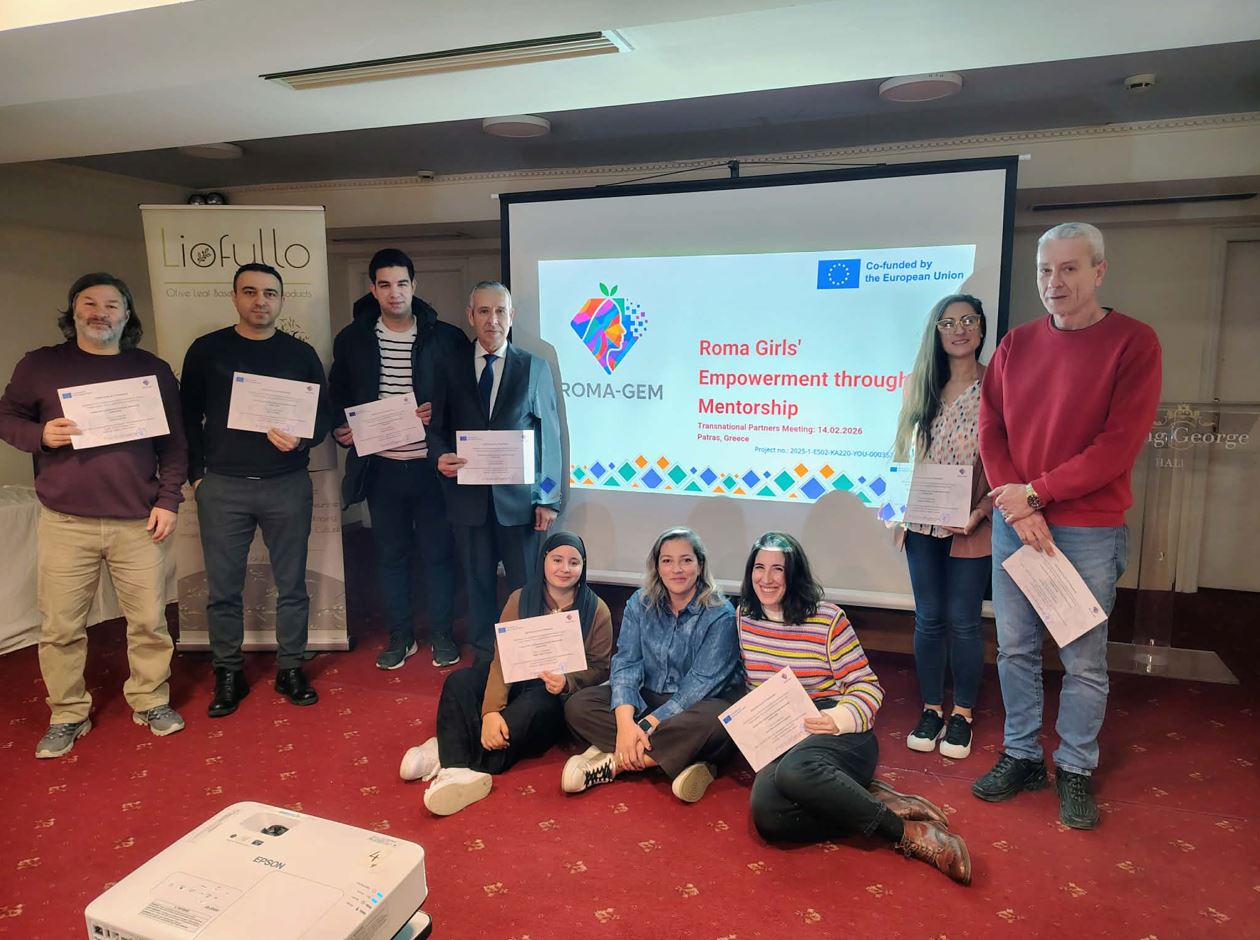
The Transnational Partner's Meeting of the Roma-GEM Project was held in Patras, Greece, between 14–16 February. During the meeting, the work carried out within the first two work packages was presented and the main outcomes were evaluated by the project partners. The findings obtained from interviews conducted with Roma girls within the scope of the project were discussed and key decisions regarding future actions were taken. In addition, partners planned the activities of Work Package 3, including the development of the mentor kit, e-learning materials, and the framework of the project web platform and mentoring forum.
This project is a transnational Erasmus+ KA220-SCH cooperation partnership that brings together civil society organizations (CSOs) from Spain, Greece, Türkiye, and Bulgaria. The partnership structure is based on a strong cross-sector collaboration that combines the educational expertise of schools with the field experience and community outreach capacity of CSOs